
Laparoscopic Hysterectomy in Pune
- Home
- Laparoscopic Hysterectomy
Our Services
More Information
- Block 3rd Floor, Ojas Clinic - City Vista B, opposite Kothari International School, Ashoka Nagar, Kharadi, Pune, Maharashtra 411014
- 098506 98563
- Mon - Sat : 09 am - 06 pm
Laparoscopic Hysterectomy in Pune
Many women quietly struggle with long-term gynecological issues such as heavy menstrual bleeding, fibroids, or chronic pelvic pain. In many cases, medications provide relief initially; however, when they are no longer effective, surgical treatment may become necessary. Therefore, if you are considering Laparoscopic Hysterectomy in Pune, it is especially important to choose an experienced, skilled, and compassionate doctor for safe and effective care.
Dr. Mansi Sharma is a trusted and experienced gynecologist with over 13+ years of clinical experience in women’s healthcare. She provides safe and advanced laparoscopic hysterectomy in Pune at Ojas Clinic, Kharadi Pune, and Motherhood Hospital, Kharadi Pune.
What Is Laparoscopic Hysterectomy?
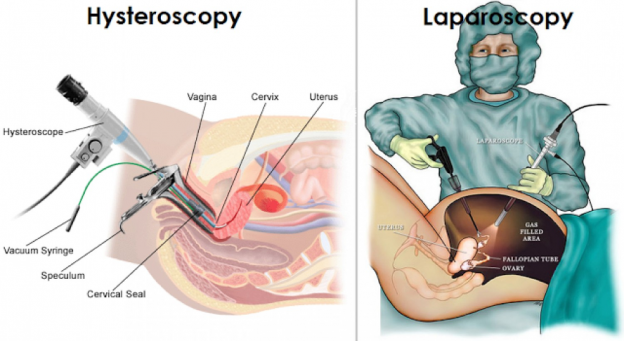
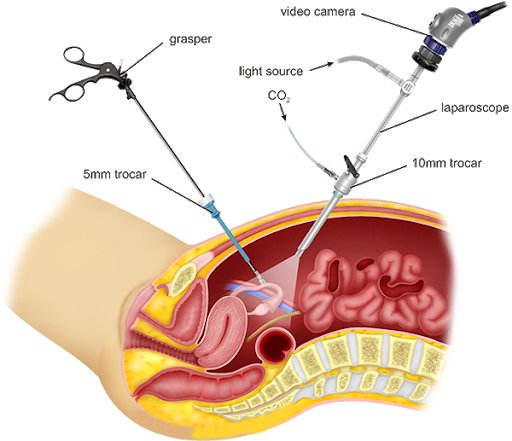
A laparoscopic hysterectomy is a minimally invasive surgery to remove the uterus using small cuts in the abdomen. A tiny camera (laparoscope) is used to guide the surgery.
Compared to open surgery, laparoscopic hysterectomy in Pune offers:
- Less pain
- Smaller cuts
- Faster recovery
- Shorter hospital stay
Dr. Mansi Sharma uses modern and safe techniques to ensure smooth recovery.
When Is Laparoscopic Hysterectomy Needed?
A hysterectomy is advised only when other treatments do not work. Common reasons include:
- Heavy or long-lasting menstrual bleeding
- Uterine fibroids
- Adenomyosis
- Endometriosis
- Chronic pelvic pain
- Uterine prolapse
- Certain gynecological cancers
Dr. Mansi Sharma always explains why surgery is needed before recommending laparoscopic hysterectomy in Pune.
Benefits of Laparoscopic Hysterectomy
Choosing laparoscopic hysterectomy in Pune has many benefits:
- Minimal blood loss
- Less post-surgery pain
- Faster healing
- Smaller scars
- Early return to daily activities
- Lower risk of infection
These benefits make it a preferred option for many women.
Best Gynecologist for Laparoscopic Hysterectomy in Pune
Choosing the Best Gynecologist for Laparoscopic Hysterectomy in Pune is crucial for safety and long-term health.
Dr. Mansi Sharma is widely trusted because she:
- Has 13+ years of experience
- Uses advanced laparoscopic techniques
- Explains every step clearly
- Follows ethical medical practices
- Focuses on patient comfort
Women from Kharadi, Viman Nagar, Wagholi, Hadapsar, Magarpatta, Mundhwa, and Koregaon Park trust her expertise.
Types of Laparoscopic Hysterectomy
Depending on the condition, different types of hysterectomy may be done:
- Total laparoscopic hysterectomy – uterus and cervix removed
- Subtotal hysterectomy – uterus removed, cervix preserved
- Laparoscopic hysterectomy with ovary removal – if medically required
Dr. Mansi Sharma decides the safest option after detailed evaluation.
How Is Laparoscopic Hysterectomy Performed?
The procedure usually involves:
- Small cuts in the abdomen
- Insertion of a camera and instruments
- Careful removal of the uterus
- Closing the cuts with minimal stitches
The surgery is done under anesthesia and usually takes 1–2 hours.
Hospitals Where Dr. Mansi Sharma Practices
- Ojas Clinic, Kharadi Pune
- Motherhood Hospital, Kharadi Pune
Both facilities offer clean, safe, and modern surgical care.
FAQs – Laparoscopic Hysterectomy
Laparoscopic hysterectomy usually causes much less pain than open surgery. Most women feel mild to moderate discomfort for a few days after the procedure. This pain is well controlled with medicines prescribed by the doctor. Because the cuts are very small, pain reduces quickly and healing is faster.
Most women need 1 to 2 weeks of proper rest after surgery. Light activities can be started gradually, but heavy work, lifting weight, and strenuous exercise should be avoided for a few weeks. Complete recovery generally takes 4 to 6 weeks, depending on individual health.
No, periods stop permanently after hysterectomy because the uterus is removed. However, if the ovaries are preserved, hormonal balance usually remains normal, and you will not experience sudden menopause symptoms unless advised otherwise by the doctor.
Yes, hysterectomy is considered a major surgery, but the laparoscopic method makes it much safer and less stressful for the body. It involves small cuts instead of a large incision, leading to less blood loss, fewer complications, shorter hospital stay, and faster recovery.
Most women can return to normal daily activities within 4 to 6 weeks after laparoscopic hysterectomy. Office work and light household tasks may be resumed earlier, as advised by the doctor. Regular follow-up visits help ensure smooth recovery and long-term well-being.
