
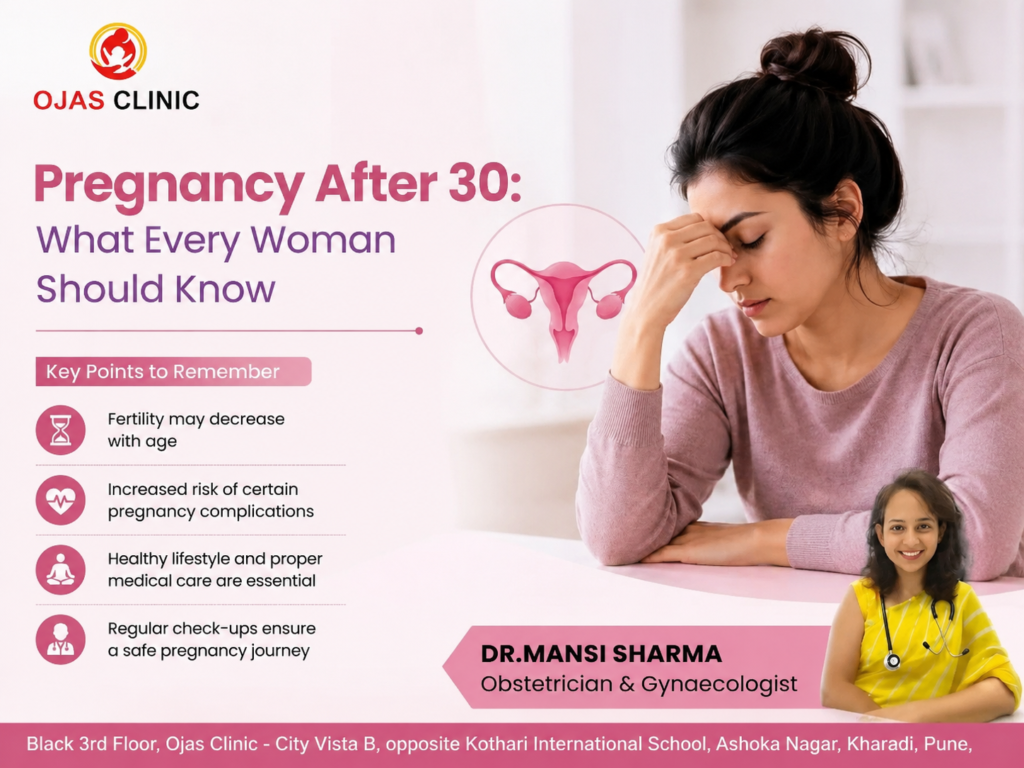
Pregnancy is a beautiful and life-changing journey, and today many women are choosing to start their families after the age of 30. Changes in lifestyle, career goals, financial planning, and personal choices have made pregnancy after 30 increasingly common. While age can influence fertility and pregnancy outcomes, many women in their 30s and even early 40s experience healthy pregnancies and deliver healthy babies with proper medical care and guidance.
One of the most important things every woman should understand is that pregnancy after 30 is not unusual or unsafe. However, it requires awareness, planning, regular checkups, and a healthy lifestyle. Understanding how age affects fertility, pregnancy, and overall maternal health can help women make informed decisions and prepare for a successful pregnancy journey.
Dr. Mansi Sharma, a highly experienced Gynecologist and Obstetrician in Kharadi, Pune, has been providing comprehensive women’s healthcare for more than 13 years. She is known for her patient-focused approach, ethical treatment, and compassionate care. From pre-pregnancy counseling to pregnancy management and post-delivery care, Dr. Mansi Sharma helps women navigate every stage of motherhood with confidence and support.
Women from Kharadi, Wagholi, Viman Nagar, Hadapsar, Magarpatta, and nearby areas trust Dr. Mansi Sharma for personalized pregnancy care and expert guidance.
Meet Dr. Mansi Sharma – Trusted Gynecologist in Kharadi Pune
Dr. Mansi Sharma is a respected Gynecologist and Obstetrician with over 13 years of experience in women’s healthcare. She provides comprehensive care for pregnancy, PCOS, menstrual disorders, infertility concerns, fibroids, and routine gynecological health issues.
Her approach focuses on understanding every patient’s individual needs and providing treatment that is both medically appropriate and emotionally supportive.
Her areas of expertise include:
- Pregnancy Care
- High-Risk Pregnancy Management
- PCOS Treatment
- Infertility Evaluation
- Menstrual Disorders
- Fibroid Management
- Preventive Women’s Healthcare
- Adolescent Gynecology
- Menopause Care
Patients appreciate her ability to explain medical conditions clearly and guide them through important healthcare decisions.
Is Pregnancy After 30 Common Today?
Yes. In fact, pregnancy after 30 has become increasingly common worldwide.
Many women choose to delay pregnancy because of:
- Career goals
- Financial stability
- Higher education
- Personal readiness
- Family planning decisions
- Lifestyle considerations
With advancements in medical care and prenatal monitoring, women can successfully conceive and experience healthy pregnancies well into their 30s.
However, understanding age-related changes remains important for making informed decisions.
How Fertility Changes After 30
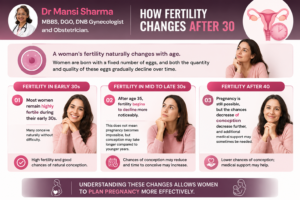
A woman’s fertility naturally changes with age.
Women are born with a fixed number of eggs, and both the quantity and quality of these eggs gradually decline over time.
Fertility in Early 30s
Most women remain highly fertile during their early 30s. Many conceive naturally without difficulty.
Fertility in Mid to Late 30s
After age 35, fertility begins to decline more noticeably.
This does not mean pregnancy becomes impossible, but conception may take longer compared to younger years.
Fertility After 40
Pregnancy is still possible, but the chances of conception decrease further, and additional medical support may sometimes be needed.
Understanding these changes allows women to plan pregnancy more effectively.
Benefits of Pregnancy After 30
Although discussions often focus on risks, pregnancy after 30 also offers several advantages.
Emotional Maturity
Many women feel more emotionally prepared for parenthood during their 30s.
Financial Stability
Greater financial security can help families prepare for pregnancy, childbirth, and childcare expenses.
Better Decision-Making
Life experience often contributes to informed parenting decisions.
Stable Relationships
Many couples feel more secure and settled before starting a family.
Improved Health Awareness
Women in their 30s are often more proactive about healthcare, nutrition, and wellness.
These factors can positively influence pregnancy and parenting experiences.
Preparing for Pregnancy After 30
Planning for pregnancy becomes increasingly important after the age of 30.
Pre-pregnancy preparation helps improve the chances of a healthy pregnancy.
Schedule a Preconception Consultation
A pre-pregnancy consultation allows your gynecologist to:
- Review medical history
- Evaluate existing health conditions
- Assess fertility factors
- Recommend lifestyle modifications
- Discuss medications
This helps identify potential concerns before conception occurs.
Maintain a Healthy Weight
Being underweight or overweight may affect fertility and pregnancy outcomes.
Achieving a healthy body weight before conception can improve overall reproductive health.
Start Folic Acid Supplementation
Folic acid is important for preventing certain birth defects.
Most healthcare providers recommend starting folic acid supplementation before pregnancy.
Manage Existing Medical Conditions
Conditions such as:
- Diabetes
- Thyroid disorders
- Hypertension
- PCOS
should be properly managed before conception.
Quit Smoking and Limit Alcohol
Smoking and excessive alcohol consumption can negatively affect fertility and pregnancy health.
Adopting healthier habits before pregnancy is highly beneficial.
Challenges Associated with Pregnancy After 30
While many women have healthy pregnancies after 30, certain challenges become more common with increasing age.
Reduced Fertility
Conception may take longer due to age-related changes in egg quality and quantity.
Increased Risk of Miscarriage
The risk of miscarriage gradually increases with age.
Higher Chance of Multiple Pregnancies
Women undergoing fertility treatments may have a greater likelihood of multiple pregnancies.
Gestational Diabetes
The risk of developing diabetes during pregnancy increases with maternal age.
High Blood Pressure
Pregnancy-related hypertension becomes more common in older mothers.
Chromosomal Conditions
The likelihood of chromosomal abnormalities increases gradually with age.
Regular prenatal care helps monitor and manage these risks effectively.
Importance of Early Prenatal Care
Prenatal care is essential for every pregnancy, especially after 30.
Regular checkups help:
- Monitor fetal development
- Track maternal health
- Identify complications early
- Ensure healthy pregnancy progression
Prenatal visits may include:
- Blood tests
- Ultrasound scans
- Blood pressure monitoring
- Weight assessments
- Nutritional counseling
Early and consistent prenatal care contributes significantly to positive pregnancy outcomes.
Nutrition During Pregnancy After 30
Proper nutrition supports both maternal and fetal health.
Eat a Balanced Diet
Include:
- Fresh fruits
- Vegetables
- Whole grains
- Lean proteins
- Dairy products
A balanced diet provides essential nutrients for pregnancy.
Increase Iron Intake
Iron supports healthy blood production and helps prevent anemia.
Sources include:
- Green leafy vegetables
- Lentils
- Beans
- Lean meats
Ensure Adequate Calcium
Calcium is important for fetal bone development.
Good sources include:
- Milk
- Yogurt
- Cheese
- Fortified foods
Stay Hydrated
Adequate water intake supports circulation, digestion, and overall health during pregnancy.
Exercise During Pregnancy
Physical activity offers several benefits during pregnancy.
Advantages include:
- Better circulation
- Improved energy levels
- Reduced back pain
- Better sleep
- Healthy weight management
Safe activities may include:
- Walking
- Prenatal yoga
- Swimming
- Stretching exercises
Always consult your healthcare provider before starting any exercise program.
Common Pregnancy Symptoms After 30
Women may experience normal pregnancy symptoms such as:
- Nausea
- Fatigue
- Breast tenderness
- Frequent urination
- Mood changes
- Food cravings
These symptoms vary from person to person and do not necessarily indicate complications.
Mental Health During Pregnancy
Emotional well-being is just as important as physical health.
Pregnancy can bring excitement, anxiety, and uncertainty.
Helpful strategies include:
- Open communication with family
- Stress management techniques
- Adequate rest
- Prenatal education
- Professional support when needed
A positive support system can make a significant difference during pregnancy.
High-Risk Pregnancy: When Extra Monitoring is Needed
Some pregnancies after 30 may require closer monitoring.
Factors that may increase risk include:
- Diabetes
- Hypertension
- Thyroid disorders
- Previous pregnancy complications
- Multiple pregnancies
Regular consultations allow healthcare providers to detect concerns early and provide appropriate care.
Can Women Have Normal Deliveries After 30?
Absolutely.
Many women over 30 have successful vaginal deliveries.
The mode of delivery depends on:
- Maternal health
- Baby’s position
- Pregnancy complications
- Labor progression
Age alone does not determine whether a cesarean section is required.
Every pregnancy is unique and should be evaluated individually.
Why Women Trust Dr. Mansi Sharma for Pregnancy Care in Kharadi Pune
Women across Pune choose Dr. Mansi Sharma because of her dedication to providing comprehensive and compassionate care.
Reasons patients trust her include:
- More than 13 years of experience
- Personalized pregnancy care
- Patient-centered consultations
- Expertise in high-risk pregnancy management
- Ethical treatment approach
- Comprehensive women’s healthcare services
- Focus on maternal and fetal well-being
Her goal is to ensure that every woman feels informed, supported, and confident throughout her pregnancy journey.
Pregnancy After 35: Additional Considerations
Although fertility declines further after 35, many women continue to have healthy pregnancies.
Important considerations include:
- Early prenatal care
- Regular screenings
- Healthy lifestyle habits
- Appropriate weight management
- Monitoring existing health conditions
With modern medical advancements, age alone should not discourage women from pursuing motherhood.
Summary
Pregnancy after 30 is increasingly common and, in most cases, can be a healthy and rewarding experience. While fertility and pregnancy risks change gradually with age, proper planning, healthy lifestyle choices, and regular medical care can significantly improve outcomes.
Women who understand the changes associated with age and seek timely guidance are often better prepared for a successful pregnancy journey.
FAQs – Pregnancy After 30
Is it safe to get pregnant after 30?
Yes. Many women have healthy pregnancies after 30 with proper medical care and monitoring.
Does fertility decrease after 30?
Fertility gradually declines with age, but many women conceive naturally during their 30s.
Should I consult a gynecologist before trying to conceive?
Yes. A preconception consultation can help identify and address potential health concerns before pregnancy.
Is pregnancy after 35 considered high-risk?
Not necessarily. However, additional monitoring may be recommended depending on individual health factors.
Can women have normal deliveries after 30?
Yes. Many women successfully deliver vaginally after 30. The mode of delivery depends on various medical factors, not age alone.
Conclusion – Pregnancy After 30: What Every Woman Should Know
Pregnancy after 30 can be a wonderful and fulfilling experience when approached with proper planning, awareness, and medical guidance. While age-related changes in fertility and pregnancy risks deserve attention, they should not create unnecessary fear or anxiety. Regular prenatal care, healthy lifestyle habits, proper nutrition, and early medical consultation can help women enjoy a safe and healthy pregnancy journey.
Dr. Mansi Sharma, a trusted Gynecologist and Obstetrician in Kharadi Pune, provides comprehensive pregnancy care tailored to each woman’s unique needs. With more than 13 years of experience in women’s healthcare, she supports patients through every stage of pregnancy with compassionate care, expert guidance, and evidence-based treatment. Women looking for pregnancy care in Kharadi Pune can benefit from her personalized approach and commitment to maternal and baby health.
