
Irregular periods can be confusing, especially when your hormone reports appear normal. You may experience delayed periods, changes in menstrual flow, shorter cycles, or missed periods without receiving a clear explanation from your initial blood tests. Although hormone reports provide useful information, they do not always reveal every possible reason behind menstrual irregularities.
Irregular Periods Treatment in Kharadi Pune begins with understanding your menstrual history, symptoms, lifestyle, and overall health. Menstrual cycles can be influenced by changes in ovulation, stress, body weight, nutrition, thyroid function, certain medications, and other health conditions. Some of these factors may not be identified through a single hormone test.
A normal report does not necessarily mean that every aspect of your menstrual health is normal. The timing of the test, the hormones measured, and the symptoms you experience all matter when interpreting results.
Dr. Mansi Sharma can help women understand menstrual health concerns and discuss appropriate evaluation and treatment options. Consulting a Gynecologist in Kharadi Pune can be useful when irregular periods continue, become more frequent, or occur alongside other symptoms.
This article explains why periods may remain irregular despite normal hormone reports, which warning signs to watch for, and when medical evaluation may be necessary.
What Is Considered an Irregular Menstrual Cycle?
Understanding your usual cycle is the first step in identifying menstrual changes. An irregular menstrual cycle occurs when the interval between periods varies significantly, periods happen less frequently than expected, or bleeding patterns change from your usual experience.
For many adults, menstrual cycles commonly occur approximately every 21–35 days, although individual patterns can differ. During the first few years after menstruation begins and around the transition to menopause, cycle patterns may be more variable.
You may have irregular periods if you experience:
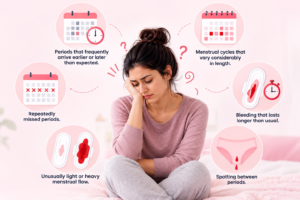
- Periods that frequently arrive earlier or later than expected.
- Menstrual cycles that vary considerably in length.
- Repeatedly missed periods.
- Bleeding that lasts longer than usual.
- Unusually light or heavy menstrual flow.
- Spotting between periods.
If these changes continue, Irregular Periods Treatment in Kharadi Pune may involve identifying the underlying cause rather than simply trying to make bleeding occur on a particular date.
Dr. Mansi Sharma can discuss your cycle history, associated symptoms, and previous test results to help determine which investigations may be appropriate.
Why Can Periods Be Irregular Even When Hormone Reports Are Normal?
Hormones regulate ovulation and the menstrual cycle, but their levels change throughout the month. A blood test provides information about hormone levels at a particular time. Depending on the test and when it was performed, it may not capture every relevant hormonal change.
An Irregular Periods Specialist in Kharadi Pune can consider your symptoms alongside test results instead of interpreting laboratory reports in isolation.
1. Changes in Ovulation Can Cause Irregular Periods
Ovulation occurs when an ovary releases an egg. If ovulation happens later than expected or does not occur during a particular cycle, the next period may also be delayed. Occasional changes in ovulation can occur because of stress, illness, changes in eating habits, or shifts in physical activity. Hormone levels may appear within the laboratory reference range when tested, even though the timing of ovulation has changed.
For women seeking Irregular Periods Treatment in Kharadi Pune, understanding ovulation patterns may be an important part of the assessment. Depending on the symptoms, a clinician may recommend specific hormone tests, cycle tracking, or ultrasound evaluation.
2. Stress and Sleep Disturbances May Affect Your Cycle
Physical and emotional stress can influence the brain pathways involved in regulating reproductive hormones. Significant stress, inadequate sleep, illness, or major changes in daily routine may affect ovulation and delay menstruation.
You might notice changes in your cycle during periods of work pressure, examinations, family difficulties, travel, or disrupted sleep schedules. Stress is not the only possible explanation, however. If your periods remain irregular even after your routine improves, consult a Gynecologist in Kharadi Pune to discuss other potential causes.
3. Changes in Body Weight and Nutrition Can Influence Menstruation
Sudden weight loss, insufficient food intake, nutritional deficiencies, or excessive exercise can affect the body’s reproductive hormone regulation. When the body does not receive enough energy to meet its needs, ovulation may become irregular or stop temporarily.
Significant weight gain can also influence menstrual cycles, particularly when it is associated with insulin resistance or other metabolic changes. Women considering Irregular Periods Treatment in Kharadi Pune should mention any recent changes in weight, appetite, diet, or exercise habits during their consultation.
Maintaining adequate nutrition, getting sufficient rest, and following an appropriate activity routine may help when lifestyle factors contribute to the problem. However, persistent menstrual changes should not automatically be attributed to diet or weight alone.
4. Thyroid Disorders May Affect Menstrual Cycles
The thyroid gland helps regulate metabolism and influences several body functions, including reproductive health. An underactive or overactive thyroid can contribute to irregular, heavy, or lighter-than-usual periods.
A normal reproductive hormone report does not necessarily confirm that thyroid function is normal, particularly if thyroid tests were not included.
An Irregular Periods Specialist in Kharadi Pune may review whether thyroid testing is appropriate based on your symptoms and medical history. Symptoms such as unusual fatigue, unexplained weight changes, sensitivity to temperature, or changes in hair and skin may provide additional clues, although they can also have other causes.
5. PCOS May Require More Than One Type of Assessment
Polycystic ovary syndrome (PCOS) is one possible cause of irregular periods. It can be associated with irregular ovulation, acne, increased facial or body hair, and metabolic changes. However, symptoms vary, and not every woman experiences all these features.
A single normal hormone test does not rule out PCOS. Diagnosis generally involves assessing menstrual and clinical history, signs of androgen excess, and other relevant findings while excluding alternative explanations. Ultrasound may be useful in some situations, but it is not required for every diagnosis.
If you have persistent irregular periods alongside acne, increased facial hair, or other changes, discuss these symptoms with Dr. Mansi Sharma. Irregular Periods Treatment in Kharadi Pune should be guided by an appropriate evaluation rather than assumptions based on one report.
Can Normal Hormone Reports Miss an Underlying Problem?
Yes. The meaning of a normal result depends on which tests were performed, the timing of the sample, the laboratory reference range, and the clinical question being investigated.
For example, a normal result for one reproductive hormone does not establish that ovulation occurred regularly throughout the month. Similarly, if thyroid function, prolactin, or other relevant factors were not assessed, those potential causes may still need consideration.
A Gynecologist in Kharadi Pune may review the following information:
- The dates of your recent periods.
- The usual length and variation of your cycles.
- The amount and duration of menstrual bleeding.
- Current medicines and supplements.
- Recent changes in weight, eating habits, exercise, or stress.
- Symptoms such as acne, increased facial hair, breast discharge, headaches, or pelvic pain.
- Previous laboratory reports and the dates on which the tests were performed.
Dr. Mansi Sharma can help patients understand why their symptoms may require further assessment despite apparently normal reports.
Importantly, more testing is not always necessary. The right approach is to select investigations according to your symptoms and medical history.
What Tests May Be Recommended for Irregular Periods?
The investigations required for Irregular Periods Treatment in Kharadi Pune depend on the suspected cause. Not every woman needs every test, and the choice should be made after a clinical assessment.
Blood Tests for Hormonal and Thyroid Evaluation
Depending on the circumstances, a clinician may recommend thyroid-stimulating hormone (TSH), prolactin, or selected reproductive hormone tests. Androgen testing may be considered when symptoms suggest elevated androgen levels.
The timing of some reproductive hormone tests matters because hormone levels change during the menstrual cycle. Your clinician can advise when a particular test should be performed.
Pelvic Ultrasound
A pelvic ultrasound may help assess the uterus, ovaries, endometrial lining, or other pelvic structures. It may be recommended when periods remain irregular, bleeding patterns are unusual, or examination findings suggest that imaging would be helpful. An ultrasound does not diagnose every hormonal condition by itself. Results should be interpreted alongside symptoms and other findings.
Additional Investigations When Needed
If periods have stopped or pregnancy is possible, a pregnancy test may be appropriate. Other tests may be considered when symptoms suggest anaemia, metabolic concerns, or another underlying condition. An Irregular Periods Specialist in Kharadi Pune can help determine which investigations are relevant and explain what the results mean for your menstrual health.
How Is Irregular Periods Treatment in Kharadi Pune Planned?
Treatment depends on why your menstrual cycle has changed. There is no single medicine or treatment plan suitable for every woman with irregular periods.
Lifestyle and Nutritional Support
When inadequate food intake, significant weight changes, excessive exercise, or stress contribute to irregular ovulation, addressing these factors may be part of treatment. This may include improving nutritional intake, maintaining a suitable activity routine, getting sufficient sleep, and seeking support for ongoing stress. Women experiencing unexplained weight loss or difficulty eating enough should discuss these concerns with a healthcare professional.
Treatment for Underlying Medical Conditions
If a thyroid disorder, PCOS, elevated prolactin, or another condition is identified, treatment may focus on that specific problem. The choice of treatment depends on the diagnosis, severity of symptoms, age, medical history, and reproductive goals. Treatment intended to regulate bleeding may differ from treatment intended to support ovulation or pregnancy.
Medicines to Regulate Bleeding or Cycles
In selected cases, a clinician may prescribe hormonal medication to regulate bleeding or protect the uterine lining. Other medicines may be appropriate for specific underlying conditions. Do not start hormonal tablets or period-inducing medicines without medical guidance. These medicines may not be suitable for everyone, and the cause of the irregularity should be considered before treatment begins.
For women exploring Irregular Periods Treatment in Kharadi Pune, an individual treatment plan can help address the underlying problem and reduce the risk of overlooking important symptoms.
When Should You Consult an Irregular Periods Specialist in Kharadi Pune?
Occasional changes in your menstrual cycle can happen, but repeated irregularities deserve attention, especially when they represent a change from your usual pattern.
Consider arranging an appointment if:
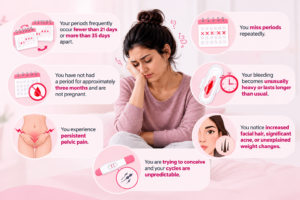
- Your periods frequently occur fewer than 21 days or more than 35 days apart.
- You miss periods repeatedly.
- You have not had a period for approximately three months and are not pregnant.
- Your bleeding becomes unusually heavy or lasts longer than usual.
- You experience persistent pelvic pain.
- You notice increased facial hair, significant acne, or unexplained weight changes.
- You are trying to conceive and your cycles are unpredictable.
A consultation with an Irregular Periods Specialist in Kharadi Pune can help establish whether observation, additional tests, or treatment is appropriate. Seek urgent medical attention for very heavy bleeding accompanied by dizziness or fainting, severe abdominal or pelvic pain, or bleeding and pain when pregnancy is possible. These symptoms should not be dismissed as ordinary menstrual irregularities. Dr. Mansi Sharma can discuss persistent cycle changes and help patients understand the next steps based on their symptoms and previous investigations.
Why Consult a Gynecologist in Kharadi Pune for Persistent Irregular Periods?
Menstrual changes can have several overlapping causes. A detailed assessment can help distinguish temporary cycle variation from a problem that needs treatment. A Gynecologist in Kharadi Pune can review your menstrual history, assess associated symptoms, interpret relevant reports, and recommend further investigations when needed. This can be particularly helpful when your reports appear normal but your periods continue to be unpredictable.
During your appointment with Dr. Mansi Sharma, consider bringing a record of your recent period dates and any previous test results. Mention changes in your weight, appetite, exercise routine, sleep, or medicines, even if they seem unrelated. The aim of Irregular Periods Treatment in Kharadi Pune is not simply to make a period arrive on a particular date. It is to understand the underlying reason, address associated symptoms, and support menstrual and reproductive health according to your individual needs.
Frequently Asked Questions About Irregular Periods Treatment in Kharadi Pune
1. Why are my periods irregular even when my hormone reports are normal?
Periods may remain irregular because of changes in ovulation, stress, inadequate nutrition, weight changes, thyroid problems, PCOS, or other conditions. Normal results do not rule out every possible cause. Irregular Periods Treatment in Kharadi Pune begins with reviewing your symptoms, test timing, and medical history.
2. Can stress cause irregular periods even if hormone tests are normal?
Yes. Significant stress, sleep disturbances, and illness can affect the regulation of ovulation. However, stress should not automatically be assumed to be the cause of repeated menstrual changes. A Gynecologist in Kharadi Pune can help determine whether further assessment is needed.
3. When should I consult an Irregular Periods Specialist in Kharadi Pune?
Consult an Irregular Periods Specialist in Kharadi Pune if your cycles frequently fall outside your usual pattern, you repeatedly miss periods, or you experience unusually heavy bleeding, pelvic pain, or other concerning symptoms. Seek urgent care for severe pain, fainting, or very heavy bleeding.
4. Can PCOS cause irregular periods despite normal hormone reports?
Yes. PCOS can cause irregular ovulation, and a single normal hormone report does not necessarily rule it out. Diagnosis depends on the overall clinical picture, which may include menstrual history, examination findings, selected blood tests, and sometimes ultrasound.
5. Can changes in diet or weight affect my menstrual cycle?
Yes. Significant weight loss, inadequate energy intake, nutritional deficiencies, and excessive exercise can affect ovulation. Weight gain may also contribute to menstrual changes in some women. If these changes occur alongside irregular periods, discuss them with Dr. Mansi Sharma or another appropriate healthcare professional.
6. Which tests are needed for Irregular Periods Treatment in Kharadi Pune?
Depending on your symptoms, evaluation may include thyroid testing, prolactin, selected reproductive hormone tests, a pregnancy test when appropriate, or pelvic ultrasound. Not everyone requires all these tests. Irregular Periods Treatment in Kharadi Pune should be planned according to the suspected cause.
7. Can I take medicine to get my period if my reports are normal?
Do not take period-inducing or hormonal medicines without medical advice. The appropriate treatment depends on the reason for the delay, whether pregnancy is possible, and your health history. A Gynecologist in Kharadi Pune can advise whether medication is appropriate.
8. Who should I consult for Irregular Periods Treatment in Kharadi Pune?
For Irregular Periods Treatment in Kharadi Pune, consult a qualified gynaecologist who can review your menstrual history, symptoms, and reports. Dr. Mansi Sharma is a point of contact for patients who wish to discuss menstrual health concerns and appropriate evaluation options in Kharadi, Pune.
Conclusion – Periods Treatment in Kharadi Pune
Irregular periods can occur even when hormone reports appear normal because menstrual health depends on several factors, including ovulation, nutrition, stress, thyroid function, and other medical conditions. A normal result is useful information, but it must be interpreted in the context of your symptoms and the tests performed.
If your periods remain unpredictable, become unusually heavy, or stop for several months, do not rely on repeated testing or self-medication alone. should begin with an appropriate assessment to identify the likely cause and determine whether treatment is needed.
Dr. Mansi Sharma can discuss menstrual cycle concerns, review available reports, and explain possible next steps. With an individualised approach, women can better understand changes in their cycles and make informed decisions about their reproductive health.
